
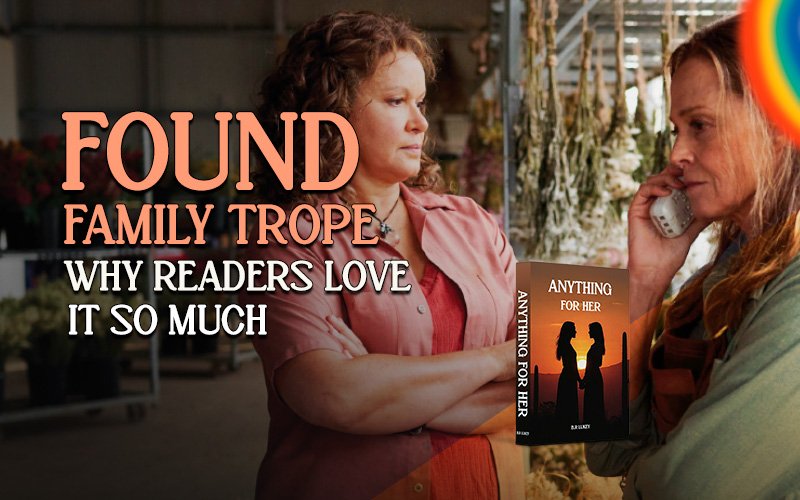
The found family trope is about people who aren’t related by blood but become family through trust, loyalty, and the way they show up for one another. These stories remind readers that family isn’t always about who you’re born to. Sometimes, it’s about the people who choose to stay.
What Is the Found Family Trope?
The found family trope describes relationships that grow when people choose to care for and support one another. Through shared experiences, kindness, and loyalty, they build a sense of belonging that makes them feel like family.
What the Label Covers
Found family stories often bring together people who feel out of place or lack a strong support system. They might meet through work, a shared home, or an unexpected situation. As they face challenges together, small acts of kindness help them build lasting bonds.
This idea is also known as chosen family or family beyond blood. Unlike relationships based only on obligation, these bonds grow because people choose to stay, support one another, and become part of each other’s lives.
Signs You’re Reading It
Here are a few signs that a story features the found family trope:
- Someone is the odd one out at home or at work
- A group forms by accident, like a lease, a job, or a shared mess
- Everybody keeps ending up at the same kitchen table
- A character says out loud that they aren’t leaving
Why Readers Keep Coming Back
The appeal isn’t just the plot. It’s the relationships. Readers get to watch strangers or friends become people who can depend on one another, often through small moments rather than grand gestures.
The Comfort of Being Picked
The best scenes are small. A friend remembers how you take your coffee. Another one brings soup because you sounded rough on the phone. A dramatic rescue can’t build a sense of belonging the way that does, because rescues happen once and soup happens every week.
If your own home never felt like that, these scenes can sting. Usually in a good way.
When the Group Gets Messy
The ideal friendship group is one that’s boring. Someone fails to remember a birthday. Someone reads something they’re not supposed to read. Even close-knit groups have difficult moments. Characters disagree, make mistakes, and sometimes let each other down. Watching them work through those problems can make their bond feel more believable. Often, a sincere apology or a small act of support is what brings them closer again.
Why It Travels So Well
The found family trope appears in science fiction, fantasy, crime fiction, and contemporary romance. The setting may change, but the central question stays the same: who will stand by these characters when life gets difficult?
Whether characters meet during a dangerous mission or while searching for a place to belong, their relationships often become the heart of the story. Readers enjoy watching strangers build trust and become the people they can count on.
Where to Start Reading
- The House in the Cerulean Sea by TJ Klune: A caseworker visits a remote orphanage for magical children. As he gets to know the children and their caretaker, he begins to form unexpected bonds.
- Six of Crows by Leigh Bardugo: A group of criminals comes together for a dangerous heist. As they face challenges, their relationships grow beyond the mission.
- The Long Way to a Small, Angry Planet by Becky Chambers: A spaceship crew travels through space, gradually building trust, friendship, and a sense of belonging along the way.
These found family story examples show how different characters can build meaningful bonds. One centers on a dangerous heist, while the others explore connection and belonging in gentler ways.
For Queer Stories
For queer readers, One Last Stop by Casey McQuiston is worth exploring. Set in New York City, it follows August, whose life changes after she meets Jane, a mysterious woman on the subway. The story also features a close-knit circle of friends who offer support, companionship, and a sense of belonging.
Anything For Her by B.R. Lukey is another sapphic romance worth exploring. It follows Lydia, who develops an unexpected connection with her neighbor, Brooke, while dealing with challenges at home. Their growing bond explores hidden feelings, first love, and the search for understanding and acceptance

Romance Gets Warmer With It
The found family in romance trope gives a love story more room to grow. Friends can offer advice, call out bad decisions, and support the couple through difficult moments. This is one reason found family romance books can feel so comforting. Readers get to enjoy not just the romance, but also the friendships and bonds that grow around it.
The trope also works well in coming-of-age stories. As characters figure out who they are, having people who accept them can make a real difference. If you enjoy exploring how pacing shapes a love story, read Slow Burn vs Insta-Love: Which Do Readers Prefer? is worth reading next.
How to Recognize the Found Family Trope
A group of friends isn’t automatically this. Ask yourself a few things as you read:
- Would they still show up if the plot didn’t need them to?
- Do they look after each other in boring, ordinary ways, like cooking or driving someone to the airport?
- Can they fight without it ending everything?
- Does the ending treat the group as worth keeping?
Pay attention to the quieter scenes, too. If characters cook together, argue about chores, or sit in comfortable silence, those ordinary moments can show how close they’ve become. Their bond should feel meaningful beyond the main conflict.
Last Thoughts
The found family trope reminds readers that belonging can come from unexpected places. Whether the characters meet through friendship, work, or a difficult shared experience, the most memorable stories show how trust grows through everyday acts of care. If you find yourself wishing you could join the group at their table, the story has probably done its job.
FAQ
What does found family mean in books?
The found family trope features characters who aren’t related by blood but build a family-like bond through trust, loyalty, and mutual support. They choose to care for one another and create a sense of belonging.
Are there romance books with found family in them?
Yes. Some romance novels combine a central love story with a close-knit group of friends who provide support and companionship. One Last Stop by Casey McQuiston is one example of queer romance with a strong community around its main characters.
Why do people connect with chosen family stories so strongly?
Readers often connect with chosen family stories because they explore belonging, acceptance, loyalty, and emotional support. Watching characters build trust and choose to stand by one another can make these stories feel personal and moving.
