
What makes a great sapphic romance usually comes down to five things: authentic representation, slow-burn tension, character-driven emotional depth, meaningful community or found family, and a love story that feels real rather than performative.
You’ve probably picked up a WLW romance or two that just fell flat, probably. Ticking boxes, not making you feel much. And then there’s the ones that stuck with you for weeks afterward —a different beast entirely. It’s rarely the plot that makes the difference. Mostly it comes down to whether the book actually understood what you showed up for.
Here’s what tends to separate the forgettable ones from the ones you end up shoving into every friend’s hands.
1. Representation That Actually Feels Real
A few chapters in, you can usually tell. Was this coming-out story written by someone who gets the emotional weight of it, or someone using it as a plot device to check a box?
Real representation doesn’t announce itself. It’s in the small stuff — hesitating before saying how you feel, worrying about how others might react, or figuring out what a new relationship actually means to you.
2. The Slow Burn Is Doing More Work Than You’d Think
Ask any fan of slow burn romance why they love it, and you’ll get roughly the same answer every time: the tension is the whole point.
Nobody wants two characters falling into bed by chapter three. You want the almost-touches. The conversation that runs a beat too long. That moment one of them catches herself staring and looks away a little too fast. A slow burn earns its payoff by making you wait for it — and the waiting, more often than not, is where the emotional investment actually happens.
You’re not really reading for the romance itself when it’s done right. You’re reading because you need to know when they’ll finally stop circling each other.
3. Characters You’d Follow Even Without the Romance
Good character-driven romance doesn’t lean on the relationship to carry the whole book. Strip the love story out, and there should still be two people worth reading about.
Flaws. Contradictions. Goals that exist outside the relationship entirely. A character chasing a career, running from her family, or figuring out who she is apart from anyone else, long before she ever meets her love interest. When both people bring their own gravity to the page, the romance feels earned rather than inevitable.
Delete the romance subplot, and you’d still care about these two — that’s one of the clearest tells of a well-written queer love story.
4. Found Family That Actually Functions Like Family
Read enough of these books,and you’ll notice it — the strongest sapphic romance books rarely tell the love story in isolation. There’s almost always a found family circling the edges. Friends, chosen relatives, a community that shows up when it counts.
Not just a nice add-on, either. For some queer readers, found family reflects something real: the support system built after biological family came up short. Get this part right and the found family stops being background noise. It shapes how the main character loves, trusts, and shows up for the person she’s with.
Skip this piece and the story tends to feel oddly isolated, in a way that doesn’t quite ring true. Community matters here. You’ll notice when it’s missing.
5. Emotional Depth That Doesn’t Rush the Hard Parts
How a book handles the harder moments tells you a lot — internalized shame, family rejection, fear of being outed, the general mess of first love. Real emotional depth means sitting with that stuff, not rushing past it toward the happy ending.
Take Anything For Her by B.R Lukey. It’s a queer love story that doesn’t flinch from the harder emotional beats, and still delivers the tension and payoff you’d want from a good slow burn. Not a bad example of what happens when a writer trusts the emotional complexity of a story instead of smoothing it over for pace.
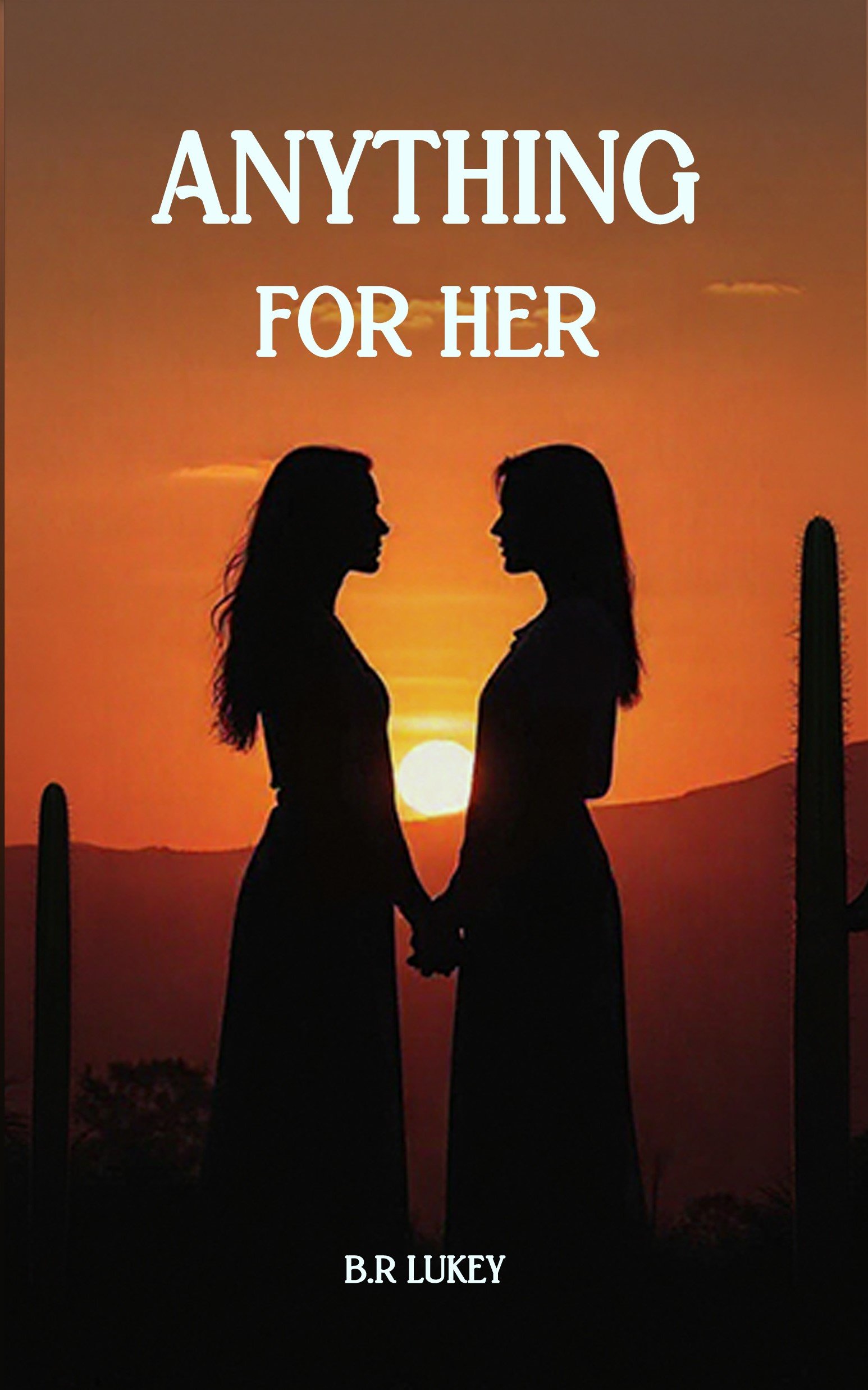
Worth checking what a brand like B.R. Lukey has out if you’re building a reading list — the throughline across good WLW romance (women loving women) tends to be the same. Characters are treated like whole people. Not plot devices.
Why This Combination Actually Works
None of these five really work alone. A slow burn without character depth just feels like withheld information. Representation without emotional honesty comes off hollow. A family without a real relationship at the center feels like a subplot playing dress-up as the main event.
What makes a good sapphic romance, at the end of the day, is how all five reinforce each other. The slow burn lands because you care about the people in it. The representation works because the emotional depth backs it up. The found family matters because it shows you exactly what these characters are protecting and building toward.
Get a book that lands all five,e and you won’t just finish it. You’ll be hunting down the next one before you’ve even closed the cover.
And if you’re looking for more, check out “Books Like Heartstopper: 7 LGBTQ Stories to Read Next” for more recommendations to add to your reading list
FAQs
Q1: What makes a sapphic romance different from other WLW romance books?
The label itself just means romance between women. What makes certain ones stand out is a handful of specific traits — authentic representation, slow-burn tension, character-driven emotional depth. Less about the label, more about whether the book treats its characters like actual people.
Q2: Why do readers love slow burn romance so much?
The tension is the reward, honestly. You’re not just waiting for a kiss — you’re watching two people navigate vulnerability, hesitation, trust that builds slowly. That buildup is what makes the payoff feel earned instead of rushed.
Q3: Why does found family show up so often in lesbian romance books?
For a lot of queer readers, it reflects something real: building a support system that biological families didn’t always provide. Handled well, it deepens the central relationship instead of just sitting alongside it.